Schoolgirl killed in tiger attack near Bardiya National Park
Third fatal tiger incident in weeks prompts protests, compensation deal and pledge to capture animal in forest corridor area

PC: Chungba Sherpa
An 18-year-old schoolgirl was killed in a tiger attack near Bardiya National Park in southwestern Nepal on Tuesday, authorities and family members said.
Binita Pariyar, an 11th-grade student from Kothiya village in Madhuwan Municipality-2, was returning home from a tuition class when she was attacked about 400 meters from her house, relatives said.
“We are certain it was a Royal Bengal tiger because she was walking with her mother when the animal attacked her from behind,” said her uncle, Deb Bahadur Damai.
Police later recovered the body and transported it to Bardiya District Hospital.
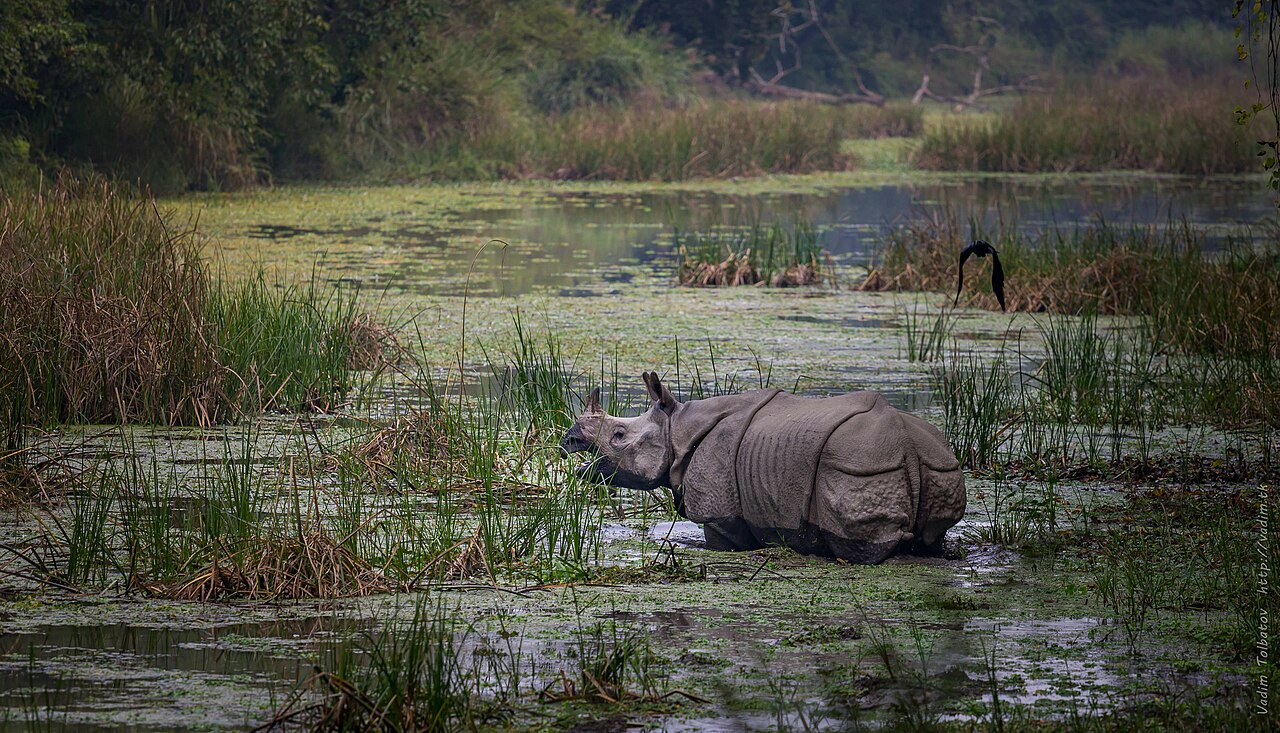
The village lies along the Khata forest corridor, a key transboundary wildlife passage linking Nepal’s Bardiya National Park with India’s Katarniaghat Wildlife Sanctuary. The corridor enables the movement of elephants, rhinos and tigers between the two countries and has been a hotspot for human-wildlife conflict.
Following the killing, relatives and villagers demanded compensation and the relocation of the tiger, refusing to allow a post-mortem examination. Negotiations continued until Wednesday, when local authorities and Bardiya National Park officials agreed to provide financial compensation and employment opportunities to the victim’s family.
Park officials also agreed to capture and relocate the tiger believed to be responsible. Search teams were deployed to track the animal, officials said.
Pariyar is the third person killed by a tiger in the area in recent weeks. On December 17, 31-year-old Dinesh Chaudhary was killed, followed by the death of 55-year-old Parbati Dangi on December 24. Both attacks occurred in daylight near victims’ homes.
“These incidents rarely make national headlines, but people here live in constant fear,” said Mahesh Ram Tharu, a local resident.
Villagers depend heavily on nearby forests for firewood and fodder for livestock, increasing daily exposure to wildlife. “We cannot leave the village, and the forest is part of our survival,” Damai said.
Nepal’s forests are connected by wildlife corridors, including the Khata and Kamdi routes, allowing tigers to move freely between Nepal and India. Authorities say it is often impossible to determine whether a problem tiger originates on one side of the border or the other.
Nepal has seen a sharp rise in its tiger population over the past decade. Under the global TX2 initiative launched in 2010, the country pledged to double its tiger numbers and has since nearly tripled them—from about 121 in 2009 to 355 in 2022.
On December 16, Nepal launched its Fifth National Tiger Survey to assess tiger populations nationwide. Surveys in Bardiya National Park is set to begin soon.