Nepal tightens mountaineering rules ahead of spring climbing season
New directives mandate stricter permits, staffing transparency and daily briefings to improve safety and oversight.
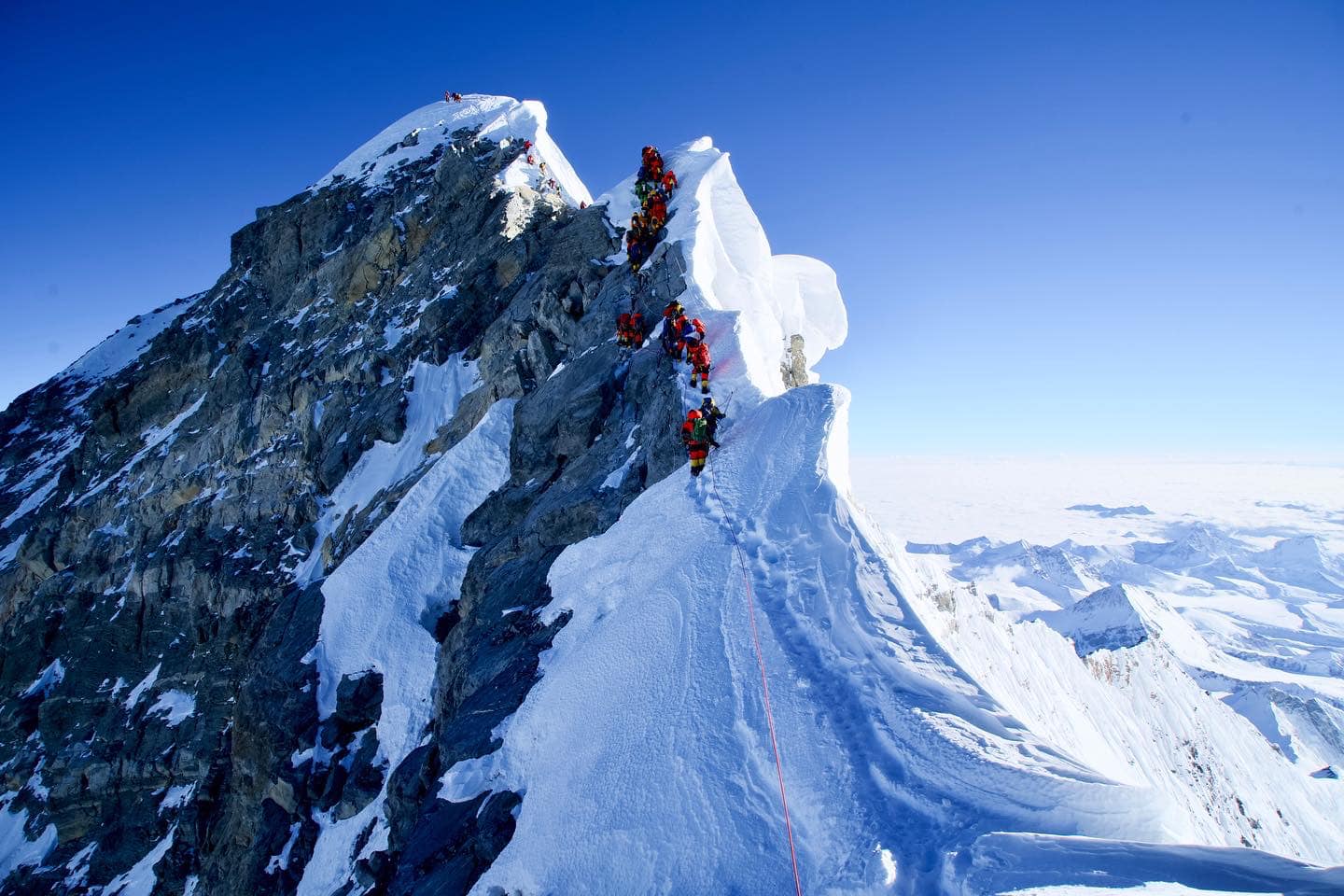
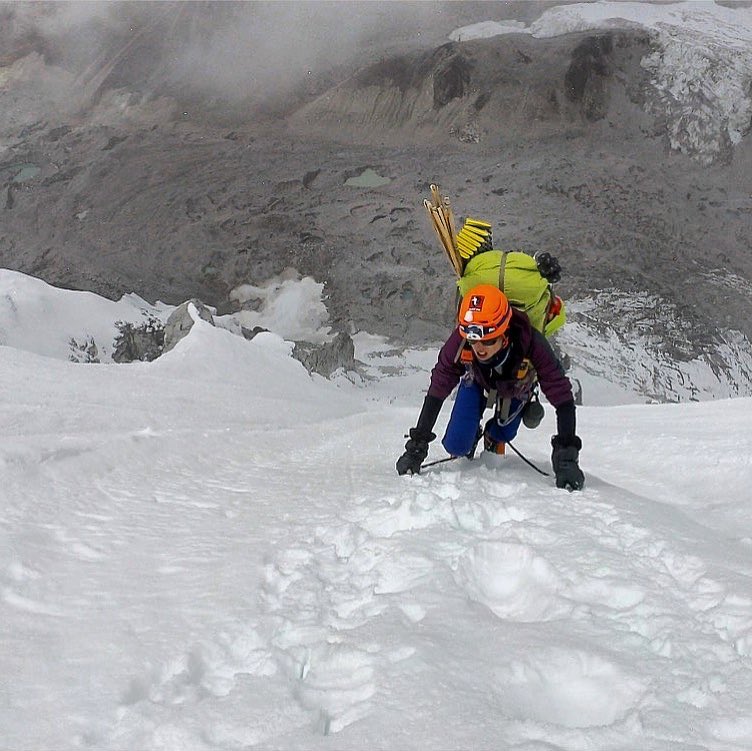
PC: Abiral Rai
Nepal’s tourism authorities have introduced a sweeping set of new procedural and safety requirements for mountaineering expeditions, signalling a stricter, more coordinated approach to managing the country’s high-risk but lucrative climbing industry ahead of the spring 2026 season.
In a circular issued last week, the Department of Tourism Nepal outlined measures aimed at ensuring “systematic and safe” expedition practices while tightening administrative compliance for all trekking agencies and expedition organizers. The directives take immediate effect.
At the centre of the changes is a stricter permit system. Agencies must now submit applications at least two days in advance using the prescribed format under Nepal’s mountaineering regulations, including full disclosure of expedition members and support staff. The appointment of a sardar, or expedition leader, is mandatory at the time of application.
Authorities are also emphasizing transparency in staffing. Agencies must provide complete details of all support personnel upfront, and any additions require prior approval from the department, along with written justification and supporting details.
The directive introduces new digital requirements. Recent passport-sized photographs of all climbers and support staff must be uploaded to the government’s online permit system before permits are issued. The images will also be used on official climbing certificates.
Documentation procedures have been streamlined. Physical submissions are now limited to key originals, including the application, proof of royalty and garbage fee payments, insurance documents, and identification records. All other materials must be certified by agencies and uploaded digitally.
The circular also reinforces labour and safety rules. Employment contracts and consent forms for support staff must be fully completed and signed by both parties. Under existing regulations, high-altitude workers and guides who reach the final camp may attempt the summit only after expedition members have done so and under defined conditions.
To improve coordination, the department has made daily briefing sessions mandatory. These will be held at its Kathmandu office each working day at 3 p.m., and at 2 p.m. on Fridays, and must be attended by team leaders, agency representatives and liaison officers.
Safety oversight has also been strengthened. All rescue operations carried out during expeditions must be formally reported to both the department and the Tourist Police in Kathmandu.
The directive follows a recent crackdown by Nepal Police on an alleged fake rescue scam involving trekking agencies, insurers, hospitals and guides working in collusion to produce false documents and claims for large insurance payouts.
Authorities have also urged agencies that have yet to reclaim garbage deposit refunds from expeditions through the winter 2025 season to submit their claims, promising processing within seven working days.
The measures reflect Nepal’s broader effort to balance the commercial appeal of its Himalayan peaks with increasing scrutiny over climber safety, environmental management and governance in the mountaineering sector.