Icefall Doctors begin work to open route through Khumbu Icefall
New waste rules introduced as authorities seek to curb mounting environmental pressure on the world’s highest peak
PC: File Photo: Abiral Rai
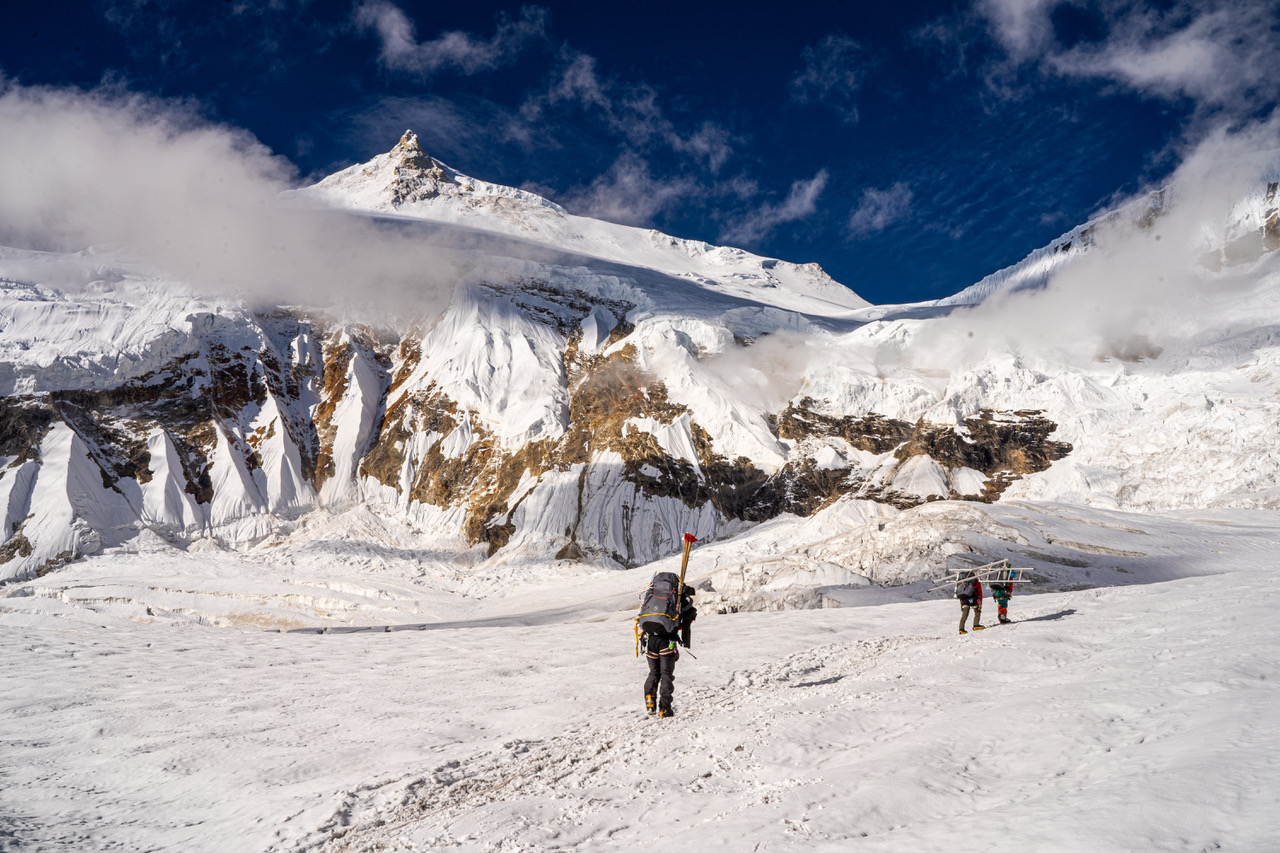
A team of Icefall Doctors has begun the annual task of preparing a safe passage through the Khumbu Icefall, the most perilous stretch on the southern slope of Mount Everest, officials have said.
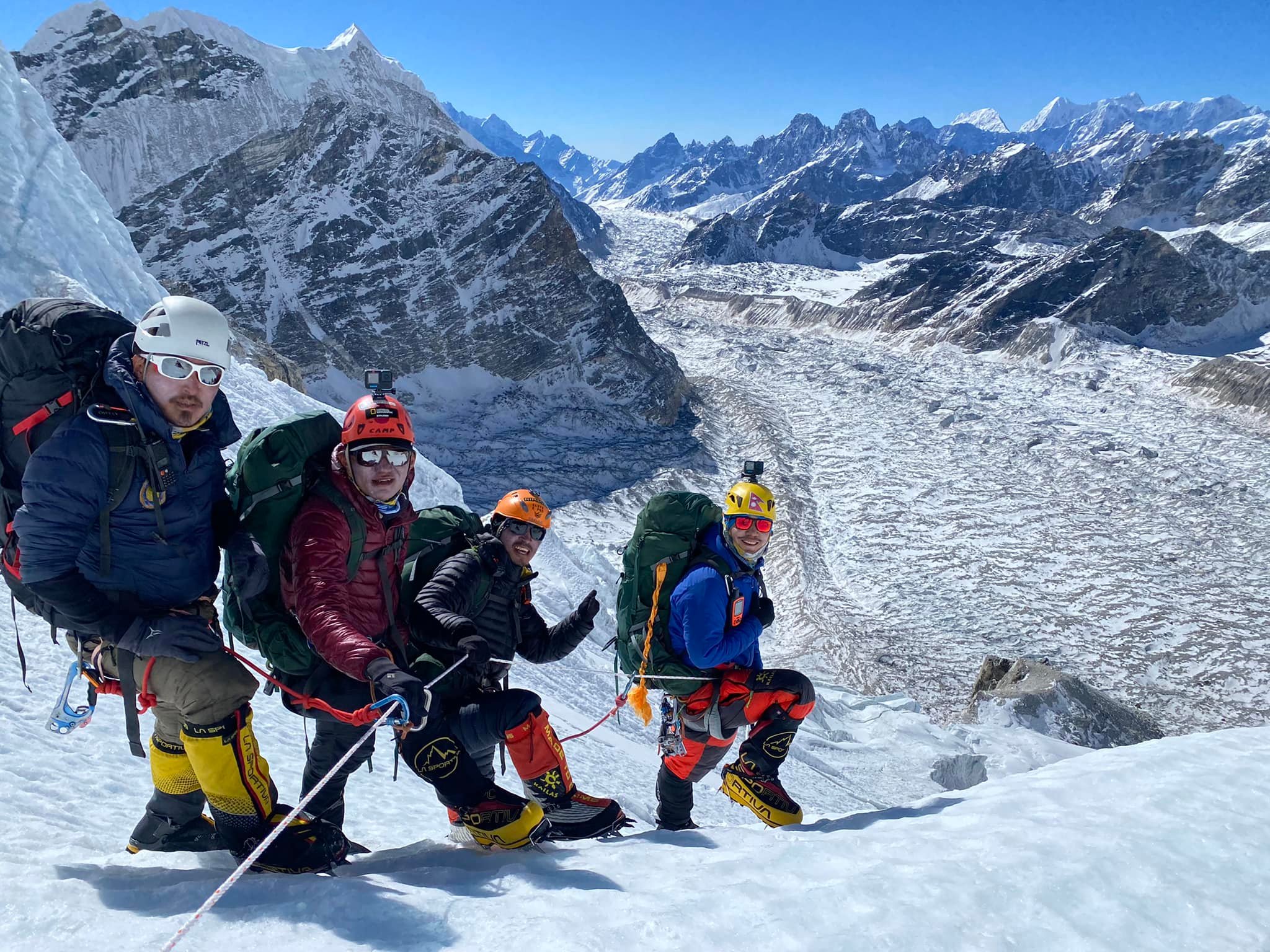
The Sagarmatha Pollution Control Committee (SPCC), responsible for opening and maintaining the route through the mountain’s most treacherous stretch, has deployed eight experienced high-altitude workers to carve a path through a shifting maze of seracs and crevasses guarding the upper slopes.
The group is led by Ang Sarki Sherpa, the longest-serving Icefall Doctor, who joined the unit in 2008. Operational leadership rests with Dawa Jangbu Sherpa, working under the base camp manager, Tshering Tenzing Sherpa.
The team also includes Tendu Sherpa, Ngima Tenji Sherpa, Phura Chheten Sherpa, Dawa Chhiri Sherpa, Sonam Geljen Sherpa and Mingma Gyaljen Sherpa.
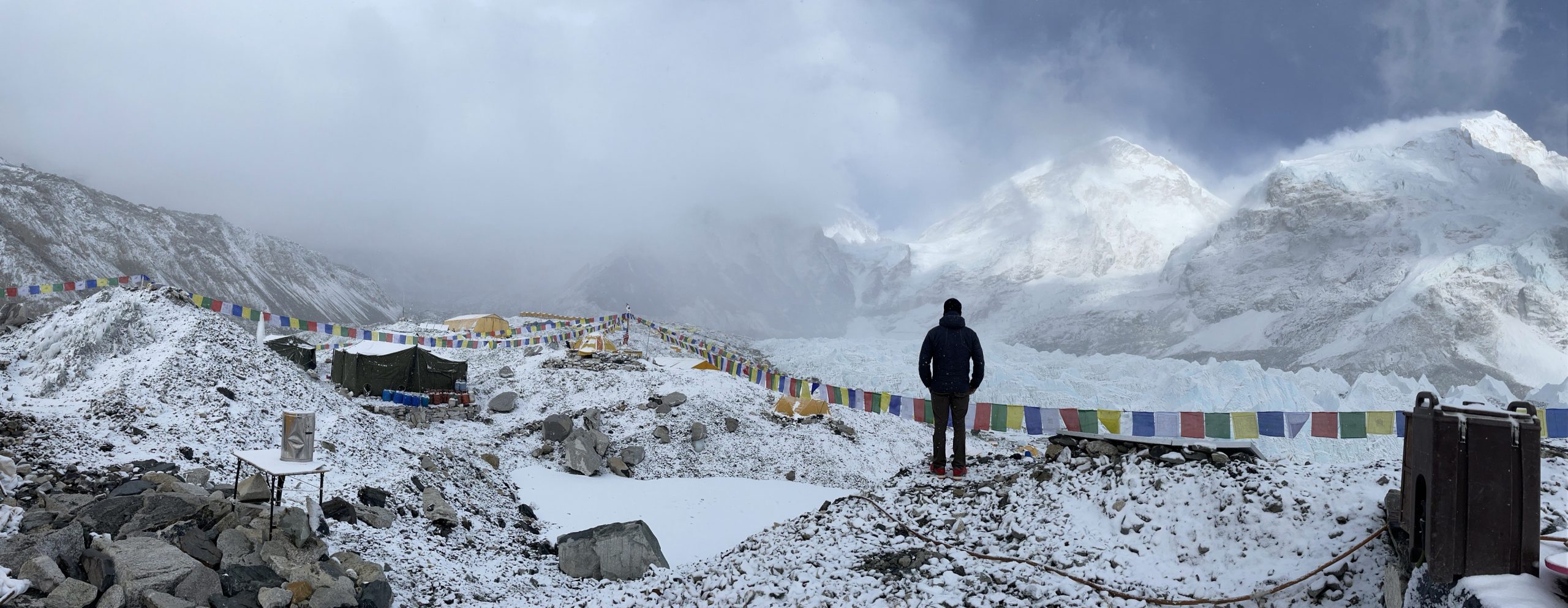
Work commenced after a traditional puja ceremony at Everest Base Camp, in keeping with Sherpa custom before undertaking hazardous mountain work.
Deployed on March 1, the team reached base camp three days later and completed a week of preparation before moving into the icefall. Their task is to install ladders and fixed ropes across crevasses and unstable seracs — a constantly shifting terrain widely regarded as the most technically demanding section of the climb.
Above Camp II, the route towards the summit will be fixed by the Expedition Operators’ Association of Nepal.
Tshering Tenzing said the Icefall Doctors would remain stationed at the SPCC base camp office throughout the season, ensuring safe passage for climbers bound not only for Everest but also for neighbouring peaks Lhotse and Nuptse.
This year, Nepal has increased the climbing permit fee for Mount Everest to $15,000 per person, up from $11,000, raising concerns that the hike could deter some climbers. Officials at the Department of Tourism, which has yet to begin issuing licences, said they do not anticipate a decline in numbers during the spring season. Last year, the department issued 427 climbing permits for Everest in the spring.
Alongside route preparation, the committee is tightening environmental controls. A checkpoint will be established at Camp II, where climbers will be required to demonstrate that they are carrying down at least 2kg of waste from higher camps.
Previously, expeditions were obliged to return 8kg of rubbish to base camp, but officials found that some climbers met the quota by collecting debris lower on the mountain while leaving waste at altitude.
This season, SPCC staff will remain at Camp II to enforce the revised rules. “It applies to everyone on the mountain,” Tshering Tenzing said. “It is not meant to harass climbers; it is purely to keep the mountain clean.”
Abiral Rai, an IFMGA-certified mountain guide who has taken part in clean-up campaigns, said that removing waste from higher camps remained physically demanding. “It is exhausting to carry rubbish down steep slopes at altitude,” he said, adding that it was usually possible to distinguish where waste had been generated. Stationing officials at Camp II, he suggested, would improve compliance.
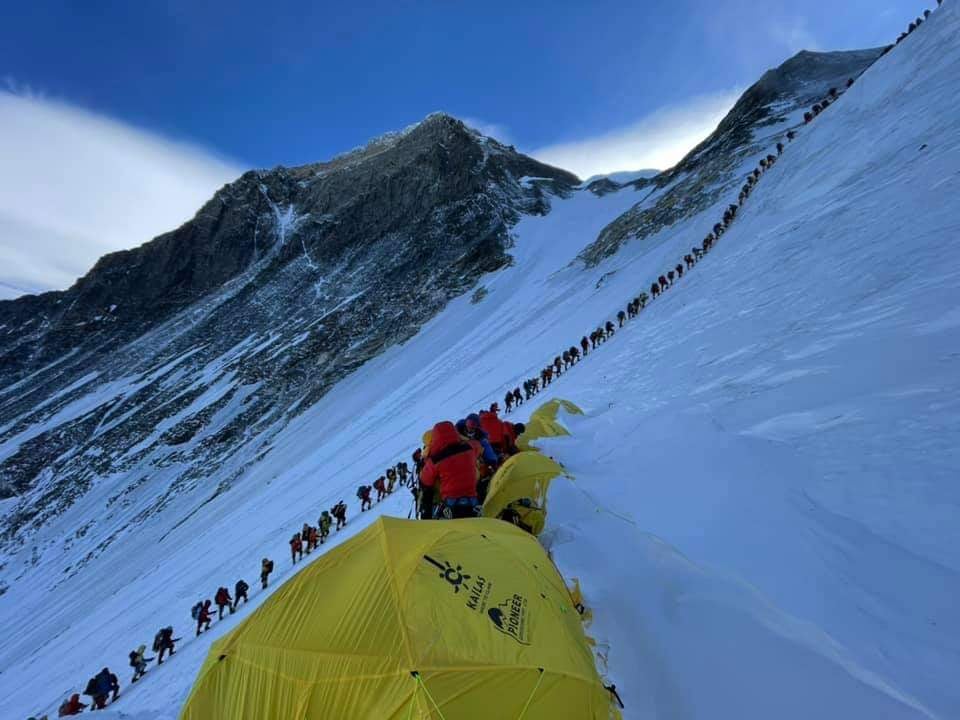
The stricter measures reflect mounting concern over environmental pressures on Everest, where the number of climbers has risen steadily in recent years, intensifying the strain on the world’s highest peak.